LOLER inspections by equipment type
Find the inspection scope, usual interval and common defects for the lifting and work equipment you operate. Each guide is written for duty holders planning a competent-person examination.
Choose the asset you need inspected.
Not sure which regulation applies? Send the asset list and how each item is used; we will help define the correct scope before attendance.
Forklift trucks
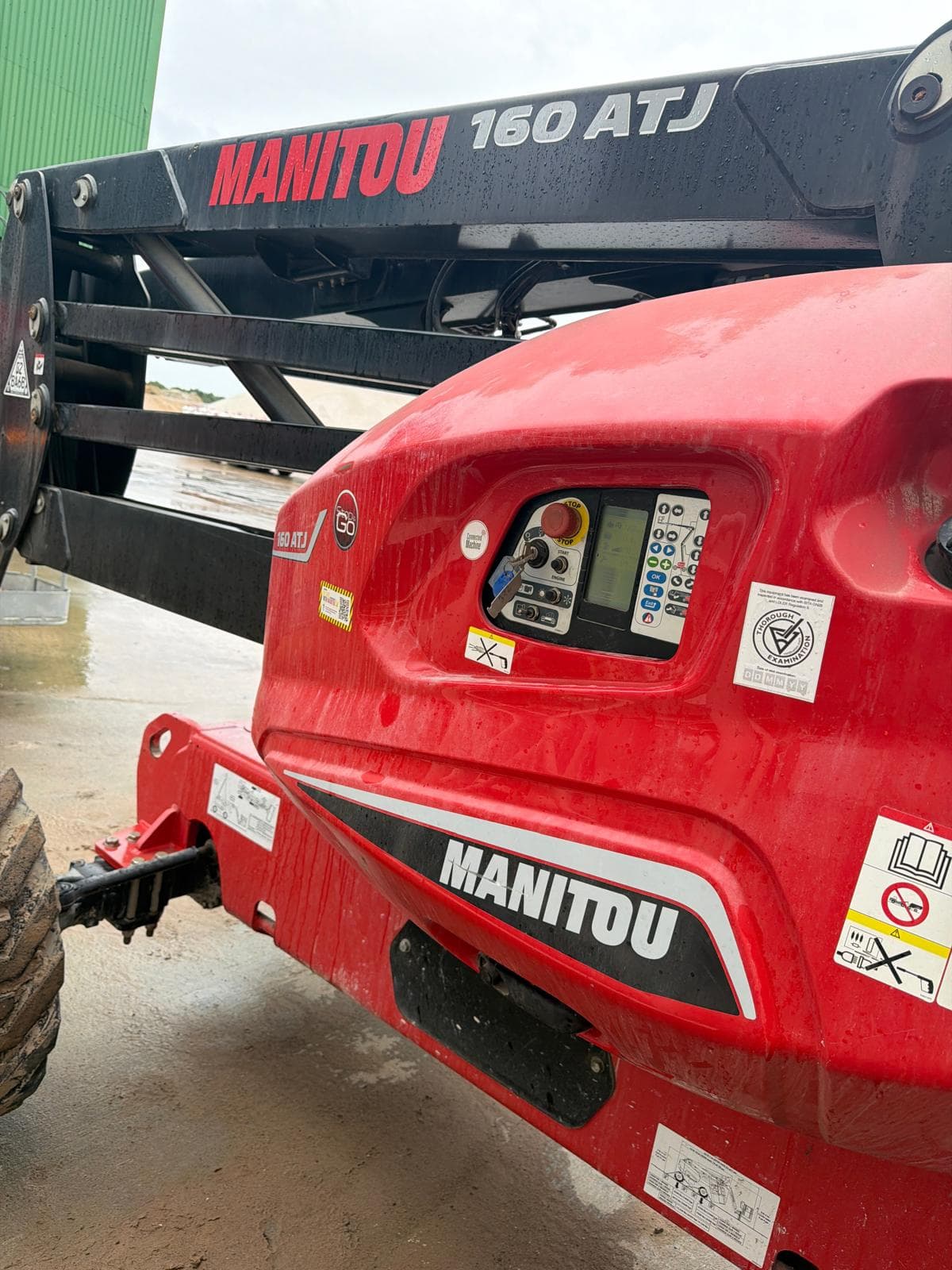
Forklift trucks are both lifting equipment and work equipment. The lifting assembly falls within LOLER, while the truck, controls, guarding and wider condition are addressed through PUWER. Treating the two duties separately helps prevent a service or MOT-style check being mistaken for a statutory thorough examination.
Read the inspection guide →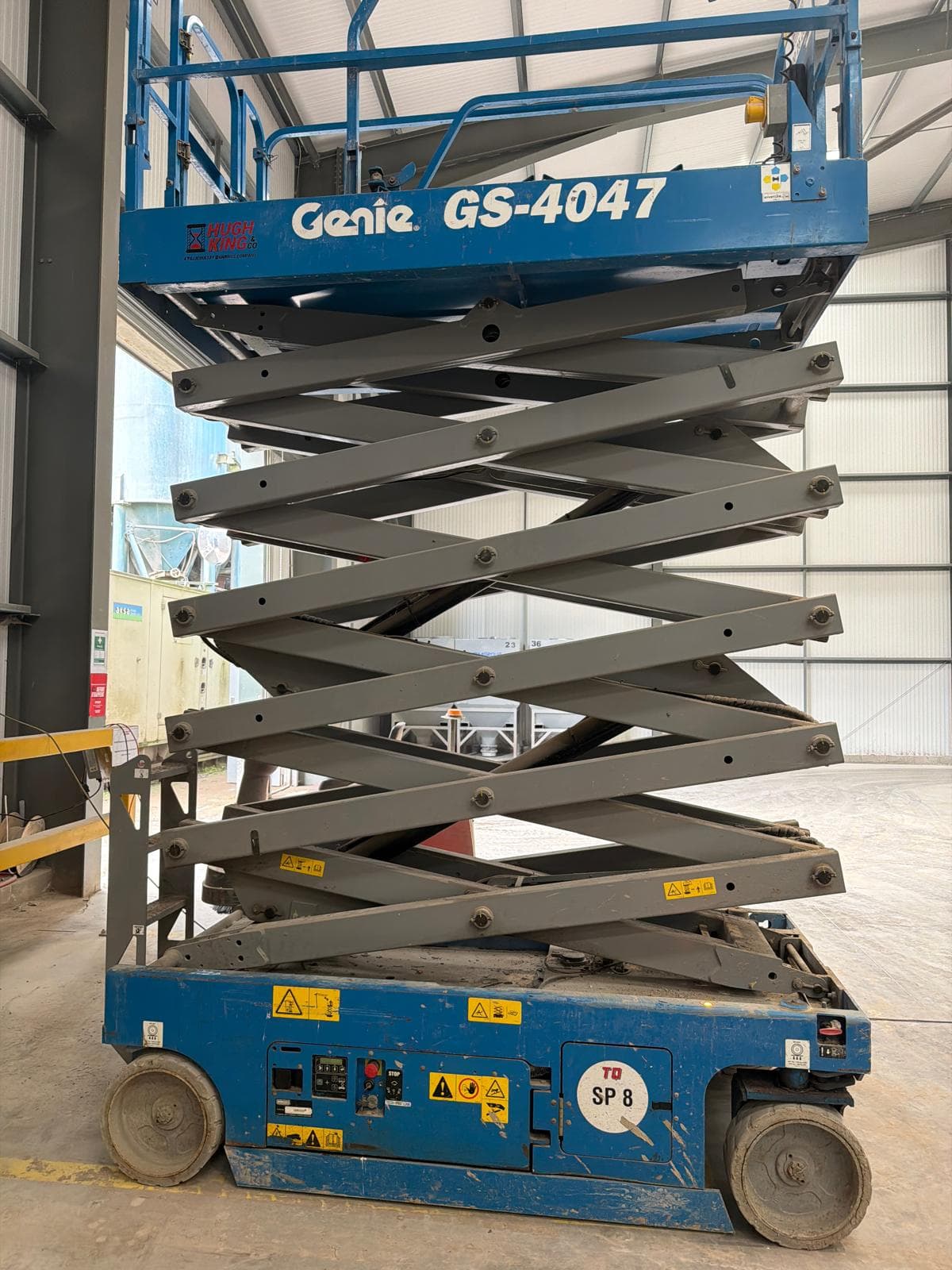
MEWPs
Mobile elevating work platforms lift people, so their lifting structure and safety-critical systems require close attention. Scissor lifts, boom lifts and mast lifts also remain work equipment under PUWER, making condition, controls and safeguards part of the wider compliance picture.
Read the inspection guide →Telehandlers
A telescopic handler combines mobile plant with a variable-reach lifting function. Capacity changes with boom extension, angle and attachment, so the rated-capacity information, indicators and structural condition all matter to a meaningful examination.
Read the inspection guide →
Overhead cranes
Overhead travelling cranes and gantry systems place several safety-critical elements in one installation: supporting steelwork, runway, end carriages, hoist, ropes or chains, brakes, limits and controls. The examination needs to follow the complete load path, not just the hoist unit.
Read the inspection guide →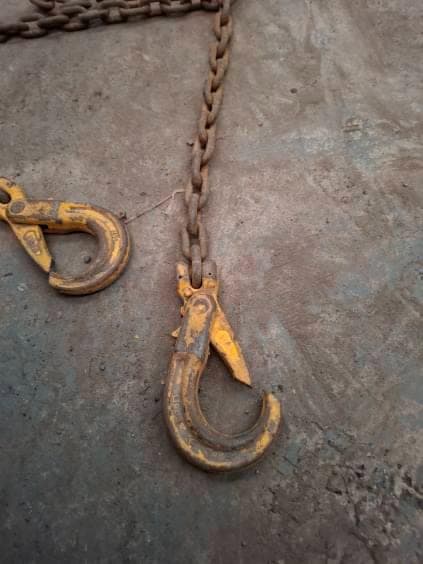
Chain hoists
Manual chain blocks and powered chain hoists can look simple, but their brake, gearing, load chain, hooks and suspension point all carry the load. A thorough examination follows those components and confirms the unit is correctly identified and marked.
Read the inspection guide →Lifting accessories
Accessories connect the load to the lifting machine and are often moved between sites, exposed to damage and stored in mixed batches. Identification and traceability are therefore as important as examining the material condition of each item.
Read the inspection guide →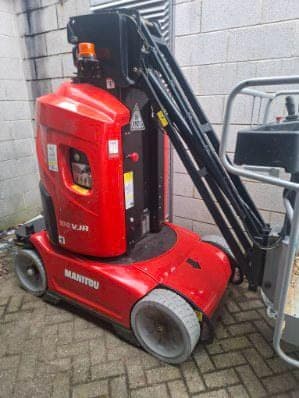
Passenger and goods lifts
Passenger, goods and platform lifts rely on suspension, drive, doors, interlocks, controls and safety devices that must work as a system. A maintenance visit does not replace an independent thorough examination of continued safe use.
Read the inspection guide →Tail lifts
Vehicle tail lifts are lifting equipment even though they travel with the vehicle. Their platform, pivots, hydraulic system, controls and load-bearing structure need a statutory examination separate from the vehicle MOT and routine fleet maintenance.
Read the inspection guide →Vehicle lifts
Two-post, four-post, scissor and mobile column lifts raise a vehicle above people working beneath it. Synchronisation, load restraint, locking systems and structural condition are therefore central to safe continued use.
Read the inspection guide →Mobile cranes
Mobile cranes combine high loads, changing radius and site-dependent stability. Thorough examination must consider the crane structure, lifting machinery, ropes, hooks, outriggers and the devices that tell the operator what the machine can safely do.
Read the inspection guide →Gantry and goliath cranes
Gantry and goliath cranes transfer loads through legs, wheels or fixed rails as well as the bridge and hoist. Alignment, travel stops, rail condition and structural joints matter alongside the conventional hoist components.
Read the inspection guide →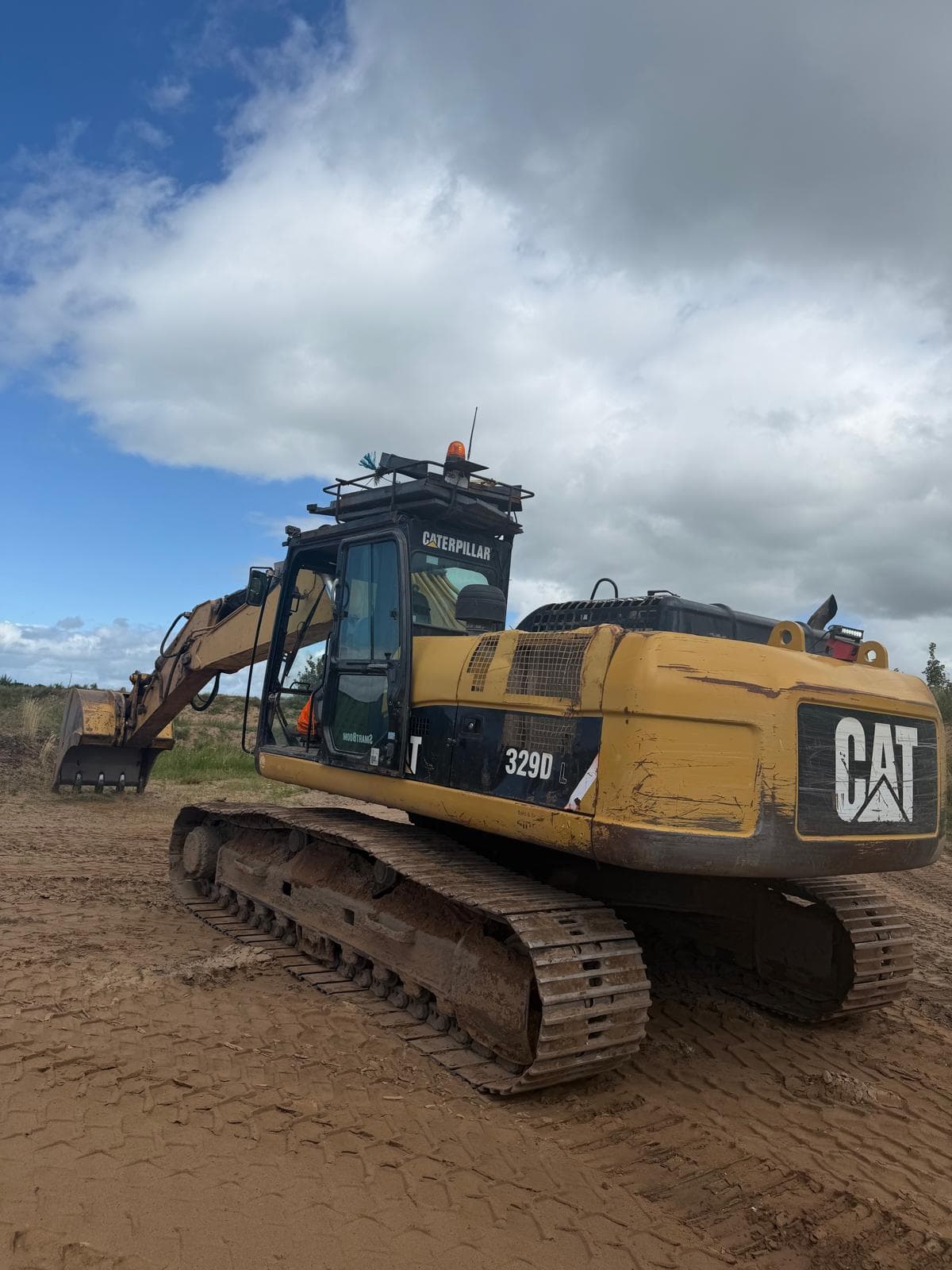
Excavators used for lifting
An excavator used only for conventional earthmoving is primarily managed under PUWER. When it is configured and used to lift suspended loads, the relevant lifting parts and safety devices also come within LOLER.
Read the inspection guide →Loading shovels
A loading shovel falls within PUWER as mobile work equipment. LOLER also applies where the machine is used for lifting with appropriate forks, hooks or attachments rather than ordinary loading work.
Read the inspection guide →Harnesses and lanyards
Personal fall-protection equipment depends on textile webbing, stitching, connectors, energy absorbers and legible identification. Damage can be subtle, which is why pre-use checks and a planned recorded-inspection regime both matter.
Read the inspection guide →Lifting beams and frames
Lifting beams, spreader beams and frames are load-bearing accessories whose condition and configuration directly affect load stability. Structural damage, altered lifting points or incorrect assembly can invalidate the original capacity basis.
Read the inspection guide →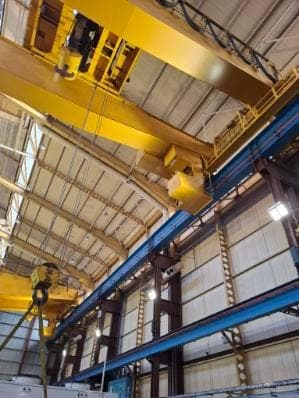
Dock levellers
Dock levellers bridge a moving vehicle and loading bay while people and handling equipment pass over them. Their platform, lip, hinges, hydraulic system, supports and controls need a risk-based inspection regime under PUWER.
Read the inspection guide →Construction plant
Construction plant is exposed to rough ground, weather, frequent transport and changing operators. PUWER inspection focuses on the safety-related parts needed for the machine to be operated, adjusted and maintained without unacceptable risk.
Read the inspection guide →Need several equipment types examined?
Tell us what equipment you operate, where it is and when it is due. We will confirm the right inspection scope and arrange a practical site date.